
The Blueprint vs. The Builder
Are Markdown Files and AI Agents the Same?

Welcome! If you’ve been trying to work out this wacky world of artificial intelligence recently, you’ve probably heard a lot of buzzwords flying around. Two terms that pop up constantly are Markdown files and AI Agents.
Because they are often talked about at the same time, it is incredibly common to wonder: Wait, are these the same thing?
The short answer is no, they are completely different! But the exciting part is how beautifully they work together.
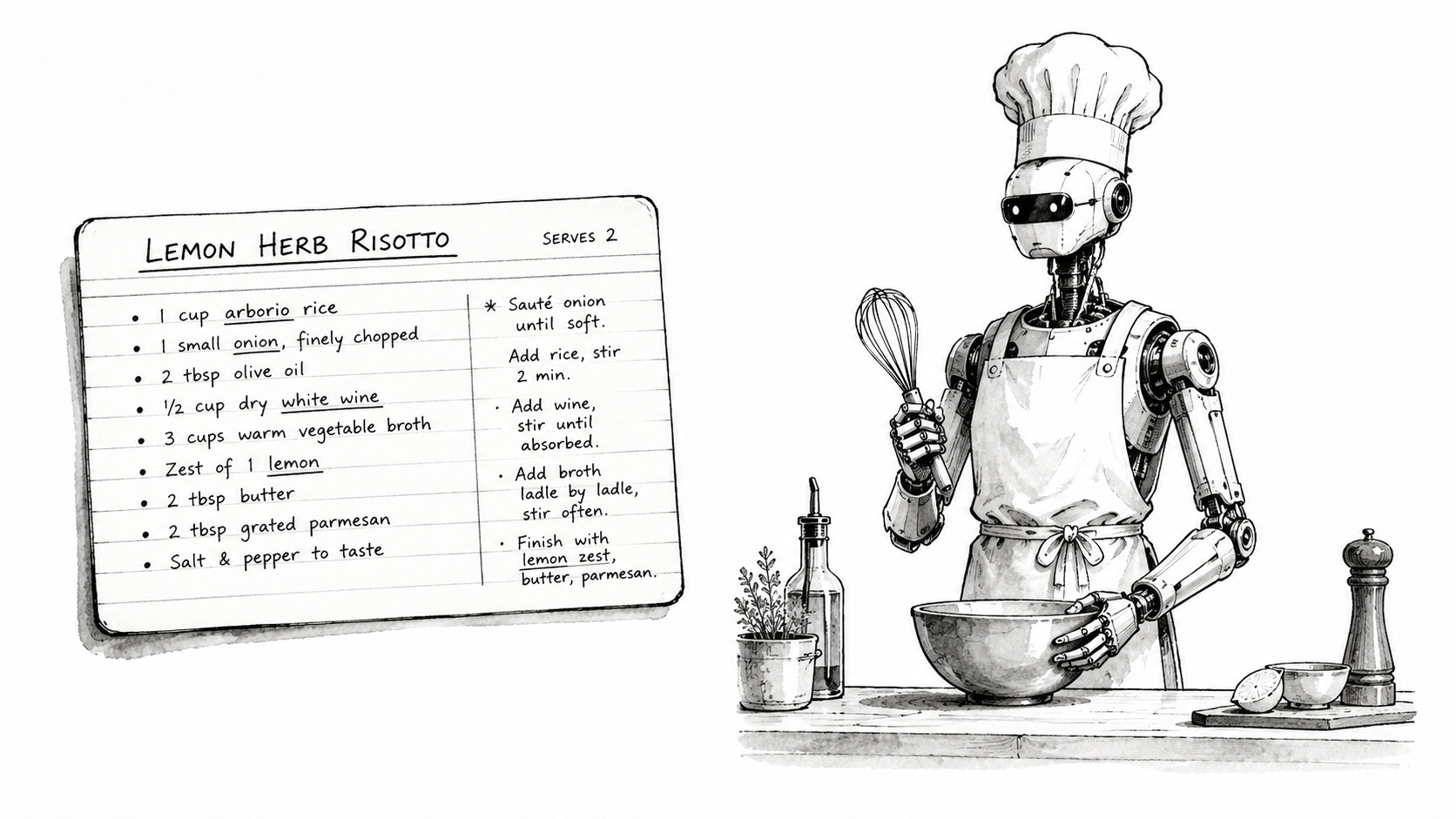
To help make sense of it all, let’s look at a simple analogy: The Recipe vs. The Chef.
What is a Markdown File? (The Recipe)
A Markdown file (often ending in .md) is simply a text document.
Imagine you are writing a recipe on a plain index card. You want the title to be big, the ingredients to be a bulleted list, and a few important words to be bold. Markdown is just a super easy way to format text using regular keyboard symbols instead of clicking buttons in Microsoft Word.
For example, typing # Hello makes a big title, and typing * Apples makes a bullet point.
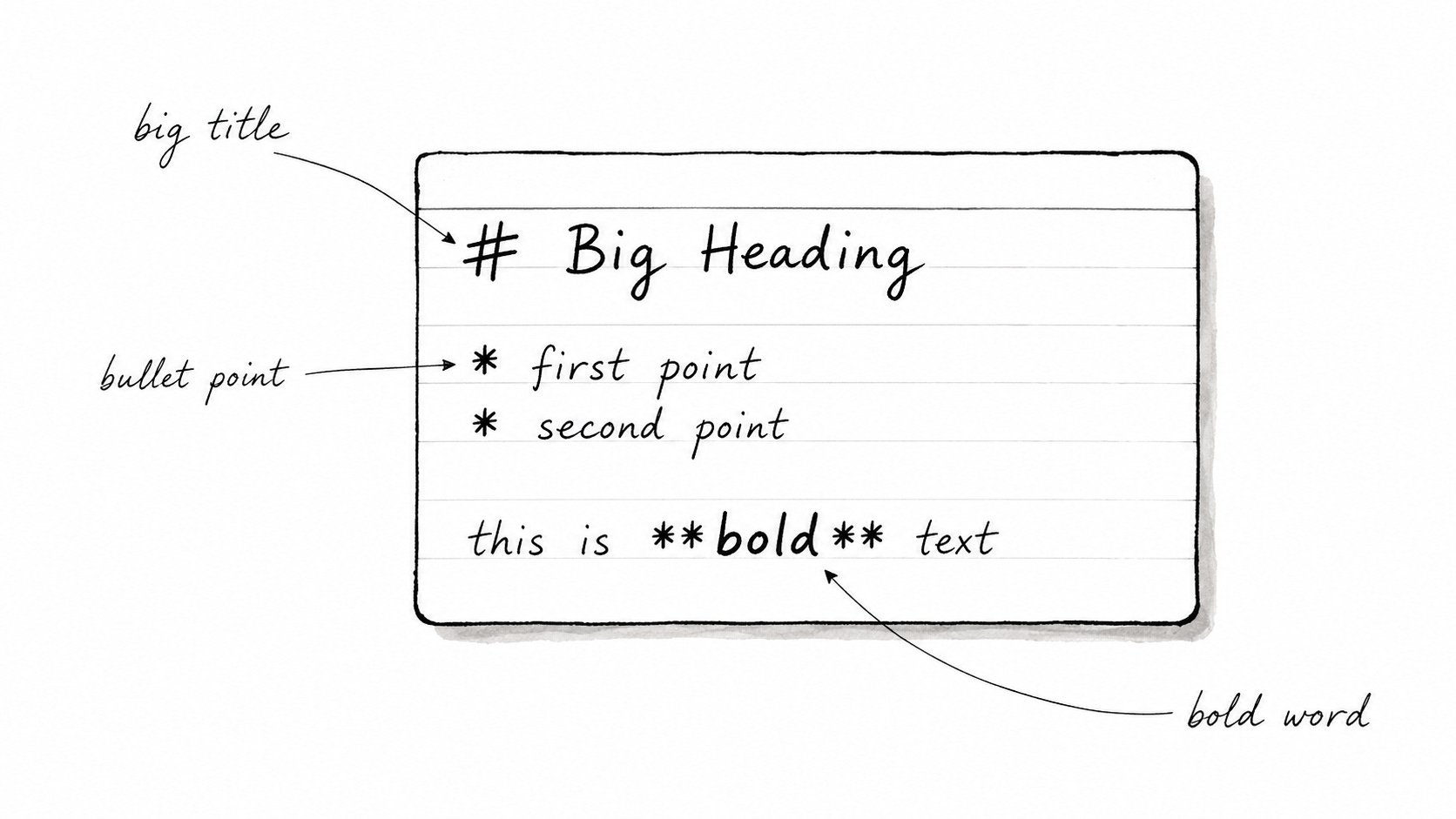
The Key Takeaway: A Markdown file is static. It is just information sitting on a page. It cannot think, it cannot move, and it cannot bake a cake on its own. It is simply the recipe.
What is an AI Agent? (The Chef)
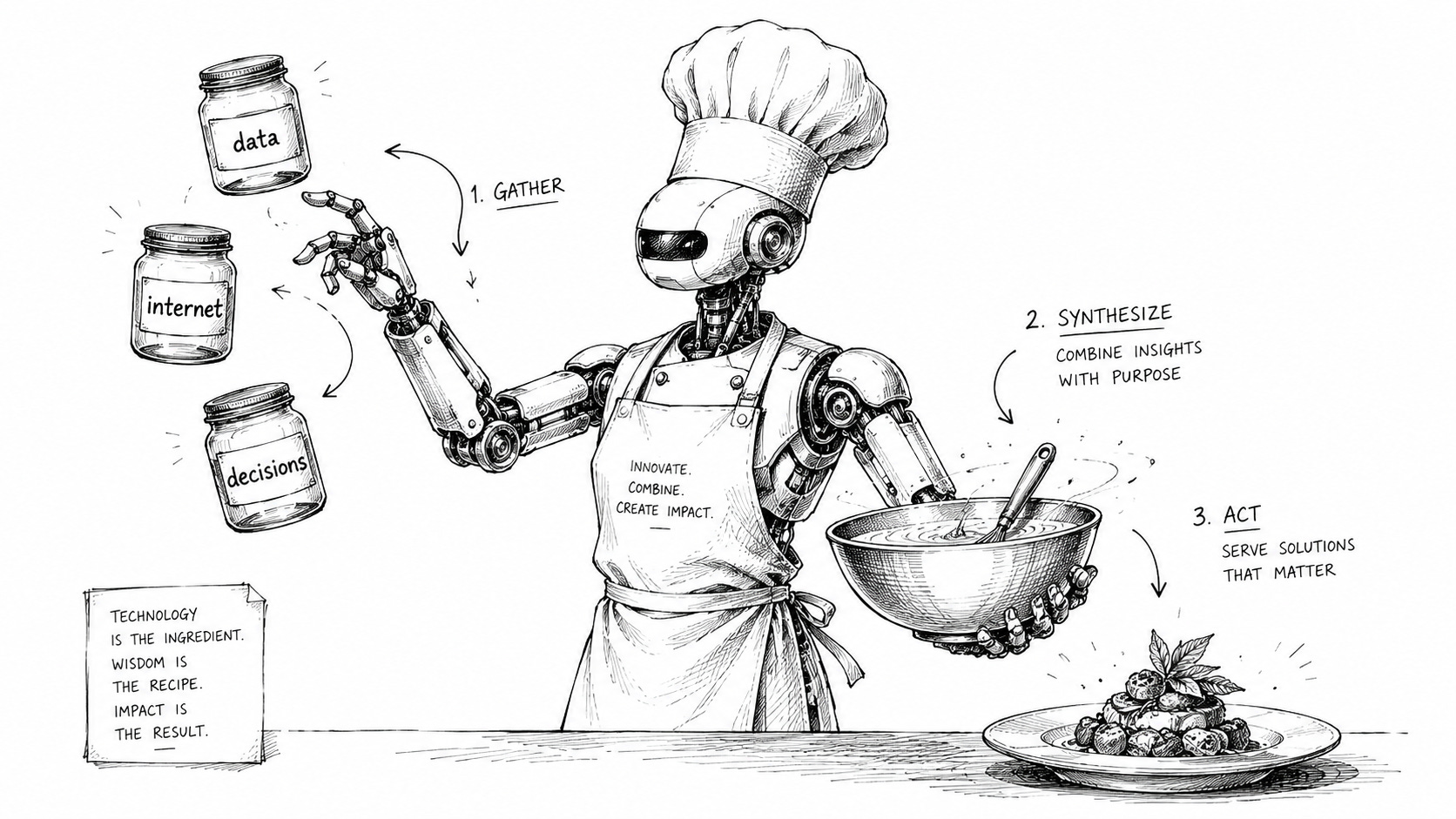
An AI Agent is a smart, active computer program designed to get things done.
Think of an AI Agent like a highly skilled (hopefully adaptive) robotic chef in your kitchen. If you tell the chef, “I want a chocolate cake,” the chef will look in the pantry, gather the ingredients, mix them up, and bake the cake for you. AI Agents can read data, search the internet, make decisions, and create things based on your instructions.
The Key Takeaway: An AI Agent is dynamic. It acts, thinks, and solves problems. It is the chef.
The Core Differences at a Glance
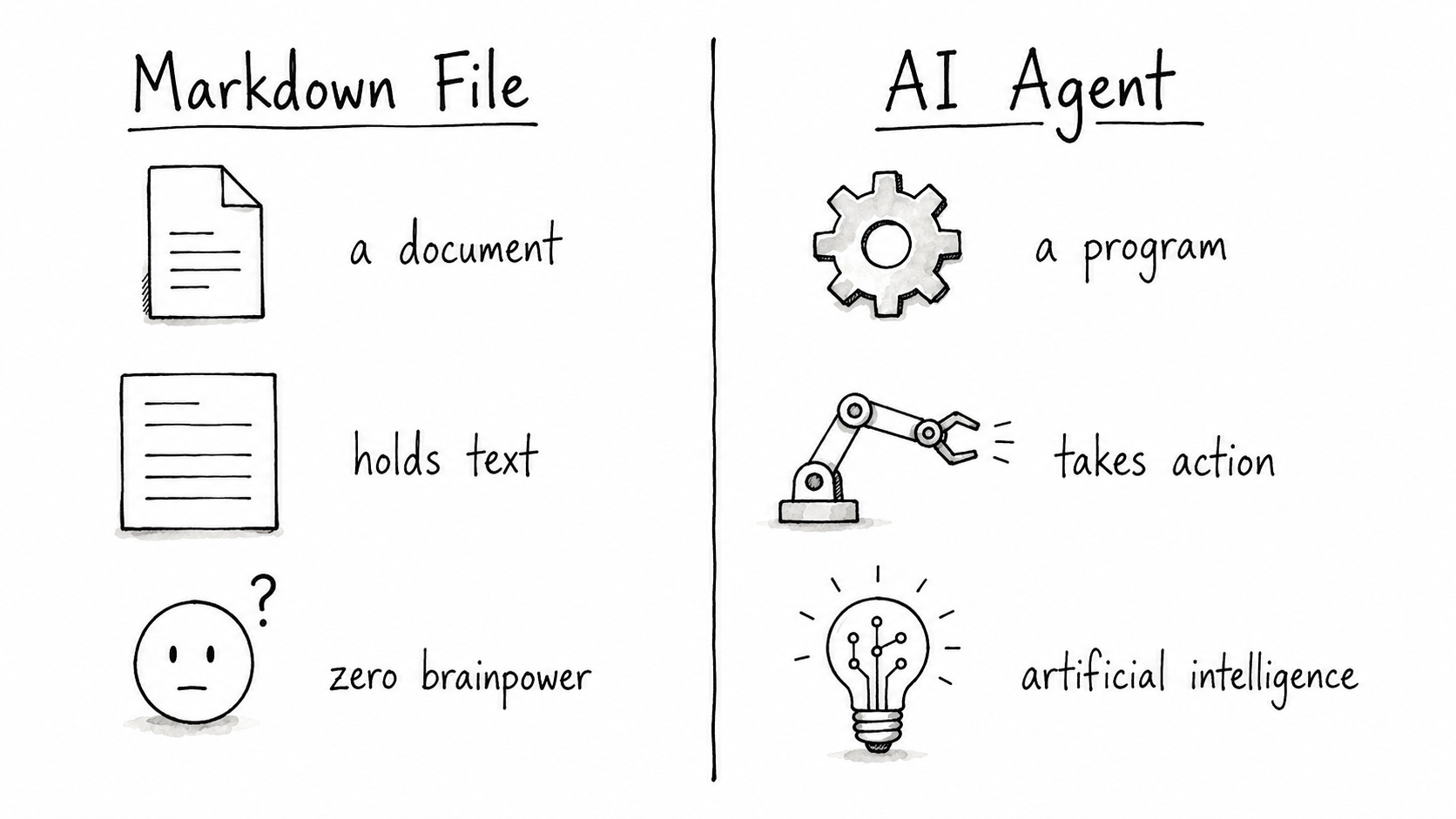
Here is a quick cheat sheet to remember the difference:
What it is: Markdown is a document. An AI Agent is a program.
What it does: Markdown holds text. An AI Agent takes action.
Brainpower: Markdown has zero brainpower (it’s just text!). An AI Agent has artificial intelligence to figure things out.
How They Work Together (A Step-by-Step Guide)
You might be wondering, “If they are so different, why do people talk about them together?”
Great question! AI Agents love Markdown files. Because Markdown is plain, clean text without any messy background code, it is the easiest way for an AI to read your instructions.
Here is how you can practically use them together:
Step 1: Write your instructions in a Markdown file
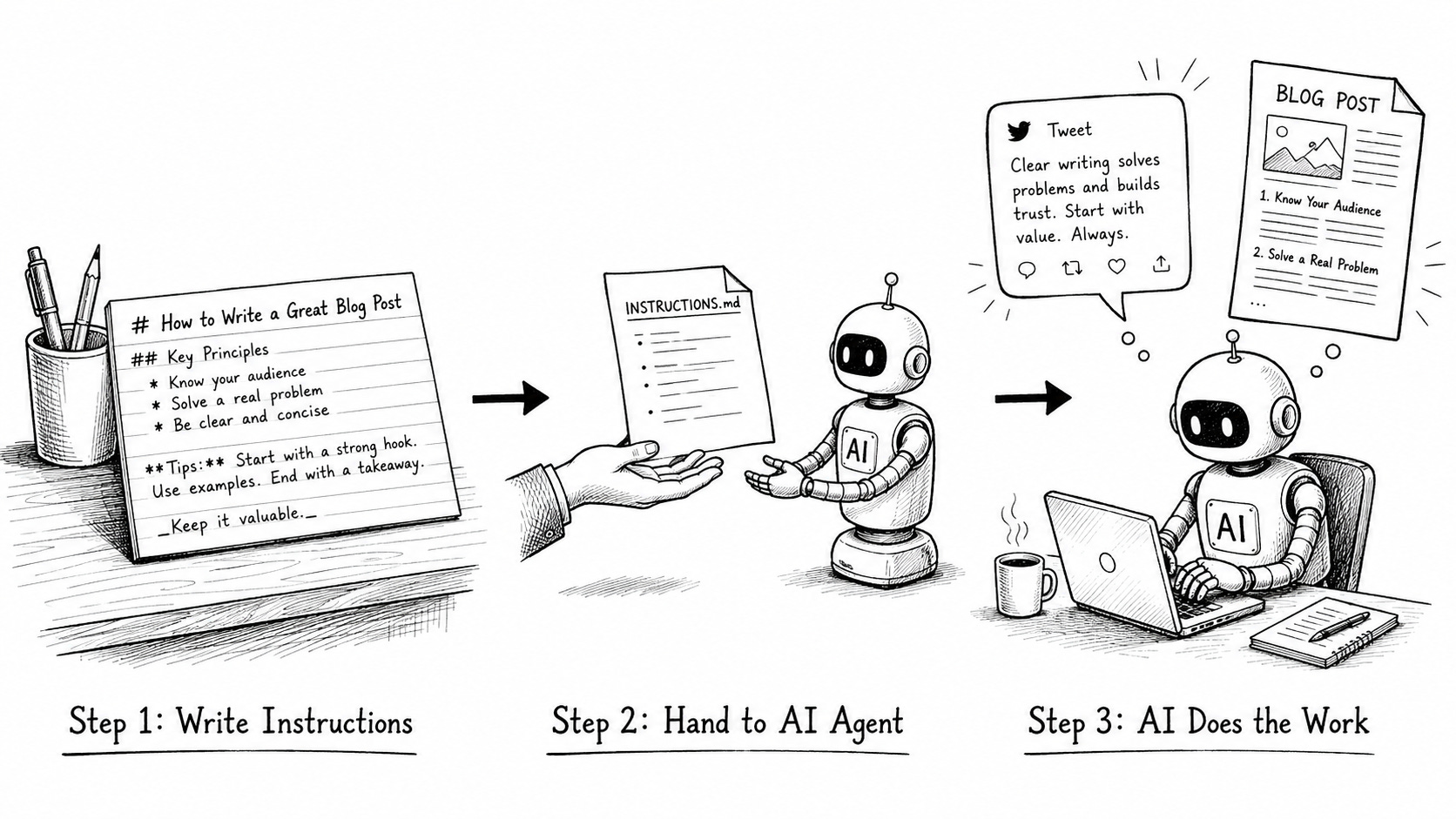
Open a simple text editor (like Notepad on Windows or TextEdit on Mac) and write a set of instructions for your AI. Using Markdown helps organize your thoughts for the AI.
It might look like this:
# Social Media Task
Please read the latest news about space travel.

## What I need you to do:
* Write a short, friendly tweet about it.
* Create a 3-paragraph blog post summarizing the news.
Save this file as instructions.md.
Step 2: Hand the file to your AI Agent
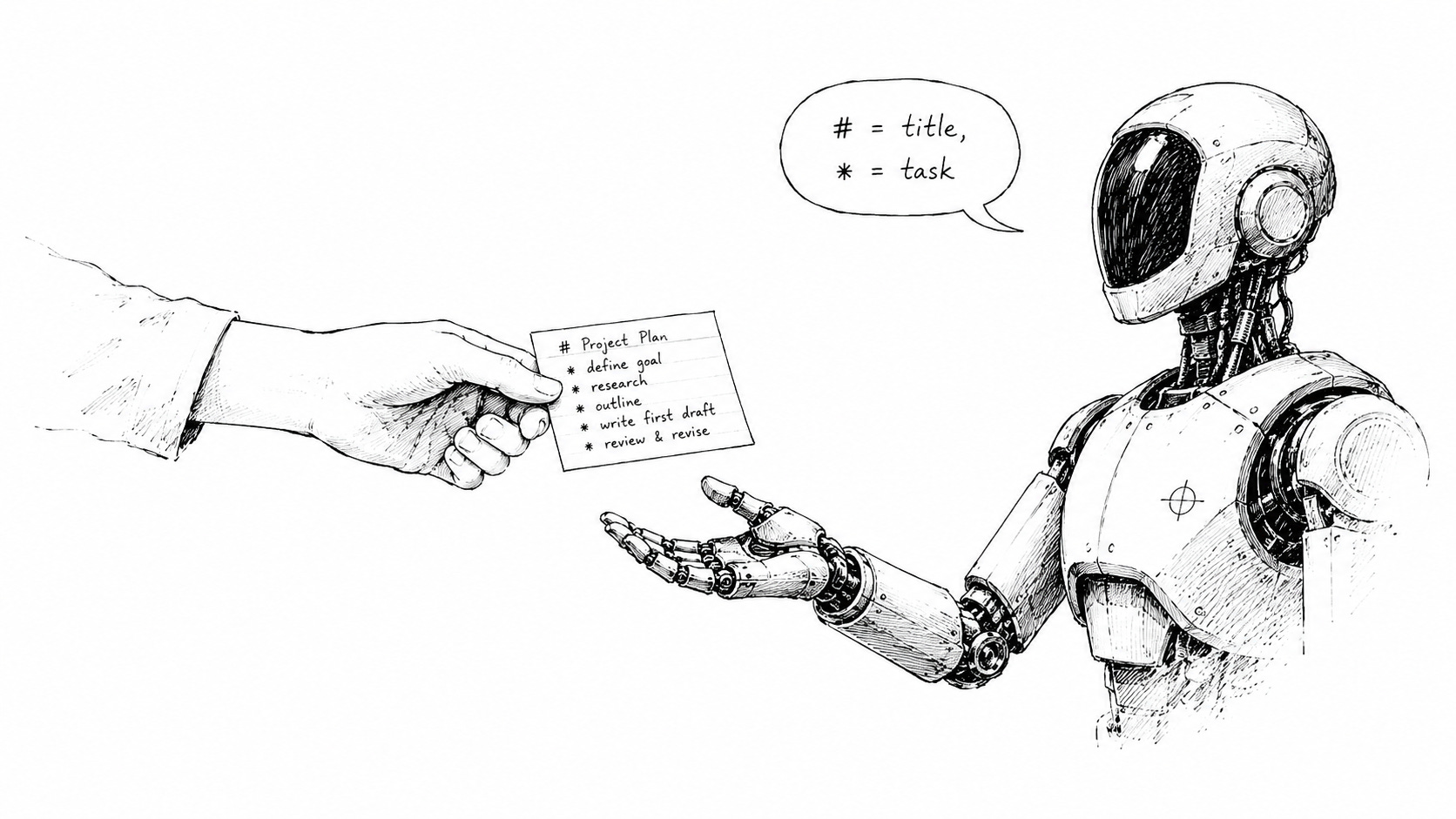
You can upload this Markdown file to an AI tool (like ChatGPT, Claude, or a custom AI Agent). Because you used Markdown, the AI immediately understands which part is the title (#) and which parts are the tasks (*).
Step 3: Let the AI Agent do the work!
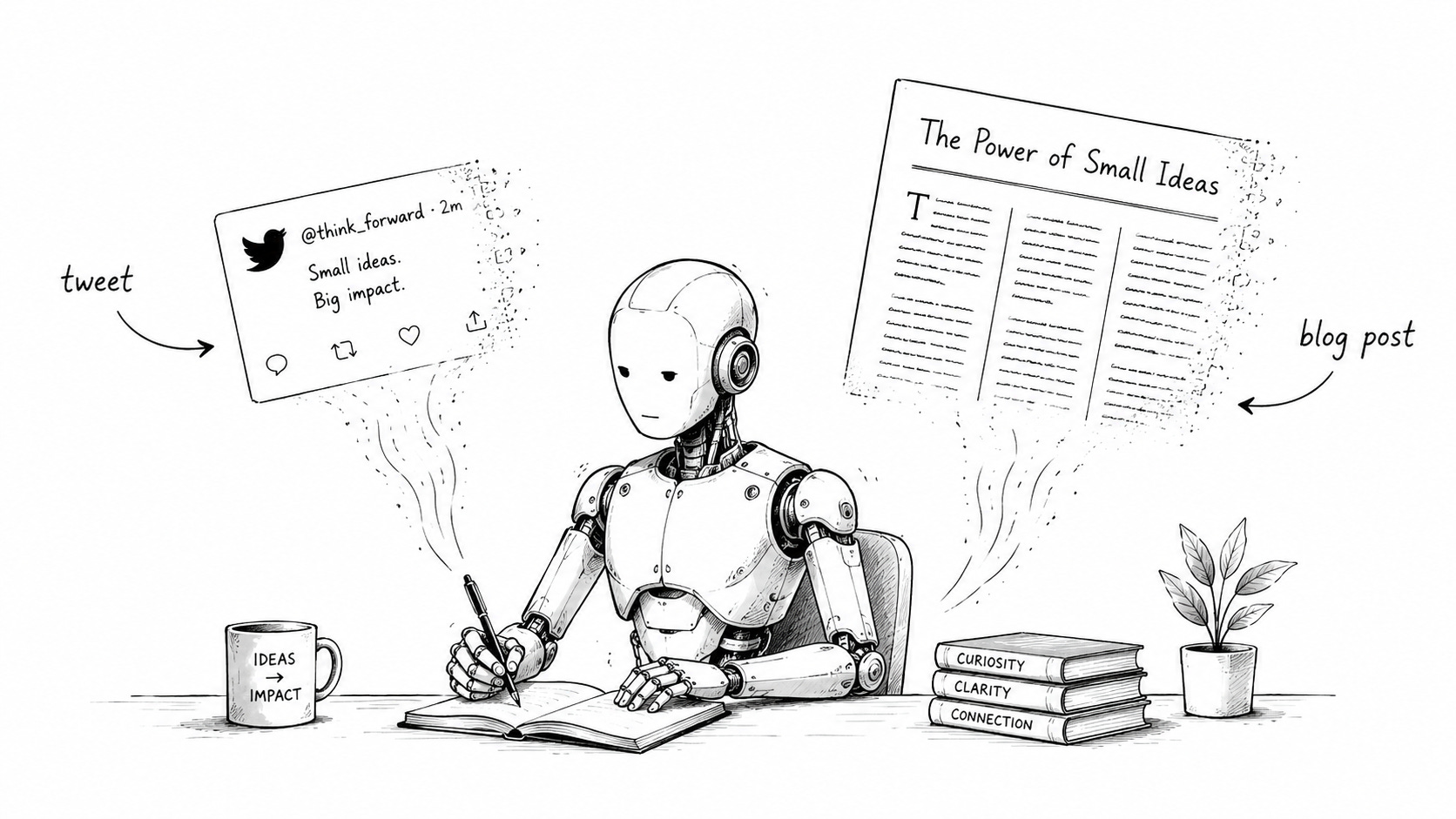
The AI Agent takes your “recipe” (the Markdown file), reads it, thinks about it, goes out to find the space news, and writes your tweet and blog post.
The cool thing is you can take your recipe to any AI LLMs!
Last
You did it! You now know the exact difference between a Markdown file and an AI Agent. You’ve learned that one is a simple way to format text, and the other is a powerful digital assistant, and that they make a fantastic team.
Your next step: Try writing a tiny bit of Markdown yourself! Open up a free AI tool like ChatGPT, and type a prompt using Markdown symbols, like # My Favorite Hobbies followed by a bulleted list using asterisks *. Watch how the AI easily reads your beautifully organised text!
Happy exploring!
Phil